Custom keycaps have become increasingly popular among mechanical keyboard enthusiasts, gamers, designers, and keyboard brands. With unique artwork, personalized colors, and premium materials, custom keycaps allow users to create keyboards that match their personality and style.
Whether you want to create a personal keyboard set, launch a keyboard accessory brand, or order custom keycaps in bulk, understanding the design and manufacturing process is essential.
Keycap basics can be found in this post: Custom manufacture keycap sets
For keycap design inspiration and guidance, please check this article: Custom Keycaps Design Guide
Explore our custom keycaps service:
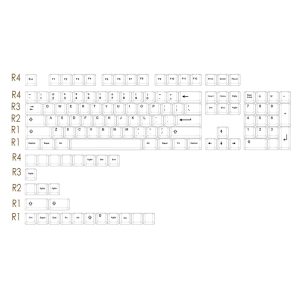
1. Start With Custom Keycap Design
The first step in making custom keycaps is creating a unique design concept. A successful keycap design combines creativity, functionality, and visual appeal.
Choose a Design Theme
Popular custom keycap themes include:
- Anime and game characters
- Cute animals
- Fantasy and mythology
- Food and beverage designs
- Nature-inspired patterns
- Brand logos and corporate designs
- Minimalist color themes
Designers can create artwork using software such as Adobe Illustrator, Photoshop, or 3D modeling tools before production.
Keycap Shape and Profile Selection
Different keyboard users prefer different keycap profiles.
Common profiles include:
- Cherry profile: Comfortable and widely used for mechanical keyboards
- OEM profile: Common on commercial keyboards
- SA profile: Taller with a classic retro style
- DSA profile: Uniform height for custom layouts
- Artisan keycap designs: Special 3D shapes for collectors
Choosing the right profile ensures both aesthetics and typing comfort.
2. Custom Keycap Artwork and Font Design
The keycap pattern design is one of the most important parts of customization.
Pattern and Graphic Design
Custom keycap graphics can include:
- Full surface illustrations
- Side decorations
- Gradient colors
- Multi-color patterns
- Transparent effects
- 3D sculpted elements
For keycap sets, designers usually create a complete visual system including:
- Base keys
- Modifier keys
- Spacebar designs
- Novelty keys
Font and Legend Design
The font style greatly affects the overall keyboard appearance.
Common font choices include:
- Modern minimalist fonts
- Retro gaming fonts
- Handwritten styles
- Japanese/Korean-inspired fonts
- Custom brand fonts
Designers need to consider:
- Font readability
- Letter size
- Position alignment
- Compatibility with printing methods
A well-designed legend can make a keycap set look more premium and professional.
3. Choose the Right Keycap Material
Different materials provide different textures, durability, and visual effects.
PBT Keycaps
PBT (Polybutylene Terephthalate) is one of the most popular materials for premium keycaps.
Advantages:
- Excellent durability
- Resistant to oil and wear
- Textured premium feeling
- Long-lasting colors
PBT keycaps are commonly used for gaming keyboards and high-quality custom keycap sets.
ABS Keycaps
ABS (Acrylonitrile Butadiene Styrene) is widely used because of its affordability and smooth surface.
Advantages:
- Lower manufacturing cost
- Easy to produce complex colors
- Smooth typing experience
Disadvantage:
- Surface may become shiny after long-term use
PBT + PC Pudding Keycaps
Pudding keycaps combine PBT plastic and transparent polycarbonate (PC) materials.
The top part is usually made from PBT, while the side walls use transparent PC material.
Benefits:
- Allows RGB lighting to shine through
- Creates a unique glowing effect
- Durable and premium texture
- Popular among gaming keyboard users
Pudding keycaps are especially attractive for RGB mechanical keyboards.
Resin Artisan Keycaps
Resin keycaps are popular for collectible and handmade designs.
They allow:
- 3D character designs
- Transparent layers
- Glitter effects
- Handmade artistic details
They are commonly produced as limited-edition artisan keycaps.
4. Select the Keycap Printing Method
The printing method determines the appearance, durability, and production cost.
Double Shot Molding
Double shot molding creates keycaps using two layers of plastic.
The legend is molded directly into the keycap instead of printed on the surface.
Advantages:
- Permanent legends
- High durability
- Premium quality
Suitable for large-volume custom keycap production.
Dye Sublimation Printing
Dye sublimation is commonly used for PBT keycaps.
The design is transferred into the keycap surface using heat.
Advantages:
- Detailed patterns
- Multiple colors
- Long-lasting graphics
Ideal for:
- Custom artwork
- Illustration keycaps
- Keyboard sets
UV Printing
UV printing allows flexible customization directly on the keycap surface.
Advantages:
- Suitable for small orders
- Supports complex images
- Fast production
It is a good option for personalized keycaps and promotional products.
5. Top Printed vs Side Printed Keycaps
The position of legends also affects the keyboard style.
Top Printed Keycaps
Top printed means the characters are printed on the top surface of the keycap.
Advantages:
- Traditional keyboard appearance
- Easy to read
- Suitable for everyday users
Side Printed Keycaps
Side printed keycaps place legends on the front or side surface.
Advantages:
- Cleaner minimalist appearance
- More visible RGB lighting
- Popular among custom keyboard enthusiasts
Side printing is often used for:
- Gaming keyboards
- Programmer keyboards
- Minimalist keyboard designs
6. Create Prototype and Test Compatibility
Before mass production, manufacturers usually create samples for testing.
Prototype testing includes:
- Keycap shape accuracy
- Color matching
- Font positioning
- Printing quality
- Switch compatibility
Custom keycaps should be tested with popular MX-style switches, including:
- Cherry MX
- Gateron
- Kailh
Accurate stem dimensions ensure proper fitting and smooth installation.
7. Custom Keycap Manufacturing Process
After sample approval, production begins.
The typical manufacturing process includes:
1. Mold Development
Create molds according to the keycap design.
2. Material Processing
Prepare PBT, ABS, PC, or resin materials.
3. Keycap Production
Use injection molding or resin casting.
4. Printing and Finishing
Apply legends, patterns, coating, or surface treatment.
5. Quality Inspection
Check:
- Shape accuracy
- Color consistency
- Printing quality
- Surface defects
6. Packaging
Custom packaging options include:
- Brand boxes
- Plastic trays
- Collector packaging
8. How Much Does It Cost to Make Custom Keycaps?
The cost depends on:
- Material choice
- Design complexity
- Printing method
- Mold requirements
- Order quantity
- Packaging
Small orders usually have higher unit costs, while bulk production can reduce the price significantly.
Many manufacturers now support small-batch customization, allowing designers and startups to test products before large production.
9. Work With a Professional Custom Keycap Manufacturer
A reliable custom keycap manufacturer can help with:
- Artwork review
- Material selection
- Font and legend optimization
- Prototype production
- Quality control
- Bulk manufacturing
Professional suppliers can support projects from one custom sample to large-volume production for keyboard brands.
Conclusion
Creating custom keycaps involves much more than choosing colors. From artwork design, font selection, printing methods, and material choices to manufacturing and quality control, every detail influences the final product.
Whether you are designing anime keycaps, gaming keycaps, pudding keycaps, or branded keyboard accessories, working with an experienced custom keycap maker can help turn creative ideas into high-quality products.